
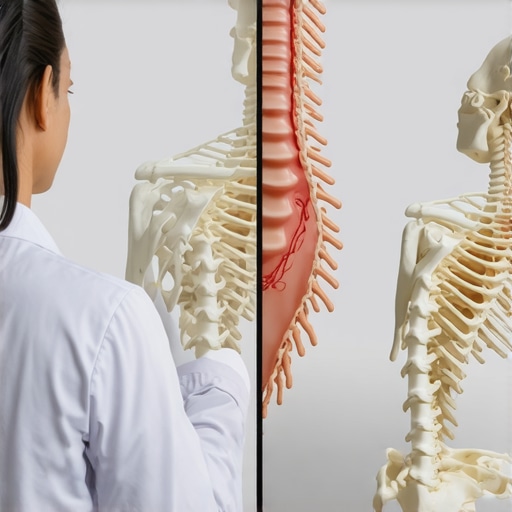
I remember the moment I realized that choosing between back surgery and physical therapy wasn’t as simple as I once thought. After months of nagging back pain that refused to let up, I tried everything—pain meds, chiropractic visits, even yoga. But nothing really made a lasting difference. Facing the prospect of surgery was intimidating, but I also hesitated to jump into a procedure without fully understanding what I was signing up for. That confusion, that feeling of being caught in limbo, is so common among folks in similar situations.
Is Surgery or Therapy the Best Choice for Your Back Pain?
Making the decision between back surgery and physical therapy isn’t just about choosing a treatment—it’s about understanding the outcomes, risks, and what really works for your specific situation. Early on, I thought surgery was the quick fix—something that would instantly get me back to normal. But I learned that it’s not always the case. Sometimes, a well-structured physical therapy program can provide relief comparable to surgery, with fewer risks and lower costs. Yet, other times, surgery might be the only viable path to regain mobility and reduce nerve compression.
What I wish I knew earlier is how crucial it is to get a proper diagnosis and to understand the nuances behind each treatment option. For example, some procedures like [spinal decompression](https://njspinesurgeons.online/understanding-spinal-decompression-surgery-in-2025) target specific issues and can offer relief without invasive surgery, while others like [fusion surgeries](https://njspinesurgeons.online/the-truth-about-spinal-fusion-what-you-need-to-know) are more extensive but sometimes necessary for severe cases.
Have you ever faced the dilemma of choosing between conservative and surgical options for your back pain? If so, you’re not alone. The key is being informed and guided by experienced professionals who know how to match treatments with individual needs.
Understanding the benefits, limitations, and realistic expectations of each approach can empower you to make the best decision. And the good news? There are more options and insights than ever, especially with advancements in minimally invasive techniques and robotic-assisted procedures. The following sections will help clarify your options, and together, we’ll explore what makes a good spine surgeon and how to navigate your choices effectively.
Evaluate Your Symptoms and Seek Expert Guidance
Start by thoroughly assessing your symptoms—pain severity, duration, and impact on daily life. Use this information to consult a specialist who understands non-invasive therapies. For example, a visit to a qualified pain management doctor can help determine if injections or therapy might suffice before considering surgery, aligning with insights from questioning your spine specialist.
Prioritize Conservative Treatments First
Implement evidence-based non-surgical options such as physical therapy, chiropractic care, or targeted injections. Think of it like troubleshooting a technical device—adjusting software settings before replacing hardware. For instance, enrolling in a tailored physical therapy program can gradually alleviate symptoms, often serving as a first-line defense against degenerative disc disease or spinal stenosis, which you can learn more about in spinal decompression overview.
Consistency and Patient Engagement Are Key
Stick with your prescribed regimen diligently. Use tools like logs or apps to track your progress, similar to monitoring a workout plan. Communicate regularly with your clinician to adjust treatments as needed, ensuring your approach remains personalized and effective.
Prepare for Surgical Intervention If Needed
If conservative methods fail and your pain persists or worsens, consult a reputable spine surgeon. Research shows that choosing an experienced professional increases success rates significantly. Think of selecting a top spine surgeon in New Jersey as hiring a specialized craftsman—expertise directly correlates with outcomes.
Prior to surgery, understand the procedure specifics—whether it’s minimally invasive, laser-assisted, or traditional open surgery. For example, laser spine surgery offers quicker recovery with less tissue damage, an advantage highlighted in minimally invasive techniques overview. Preparing mentally and physically can also improve recovery, including arranging post-op support and understanding activity restrictions.
What To Expect After Surgery
Post-surgical recovery varies by procedure and individual health. During the initial days, focus on pain management and gentle mobility—think of it as breaking in new tires gradually rather than pushing them to the limit. Follow your surgeon’s guidelines closely, using recommended tools like recovery gear to enhance healing.
Over time, a tailored physical therapy plan helps restore strength and flexibility. Keep in mind, some patients experience residual discomfort initially—that’s normal, but persistent, severe pain warrants reevaluation, which is why regular follow-ups are crucial, especially with specialists skilled in spinal stenosis surgery.
Distinguishing Between Spine Surgeons and Pain Management Specialists
Moving forward, understand the roles each professional plays. A spine surgeon focuses on structural repairs, while a pain management doctor aims to control symptoms through injections or nerve blocks. For complicated cases, collaborative approaches involving both can optimize outcomes, much like a team for a complex engineering project. Finding qualified surgeons and specialists is essential, and resources like finding top board-certified surgeons can guide your decision.
While many believe that non-surgical treatments are a straightforward alternative to surgery, the reality is more complex. A common myth is that physical therapy alone can resolve all degenerative spine issues—yet, in my experience, nuances such as the specific nature of nerve compression or disc degeneration often determine whether conservative approaches suffice. For example, spinal decompression techniques can be highly effective for stenosis when tailored correctly, as detailed in understanding spinal decompression.
When it comes to post-surgical recovery, patients often expect a swift return to normal; however, the healing process is nuanced and depends on surgical technique and individual health. Minimally invasive procedures like minimally invasive spine surgery tend to offer faster recovery with fewer complications, but even then, the commitment to physical therapy and activity modification is crucial.
Choosing between a spine surgeon and a pain management specialist is another area riddled with misconceptions. Many assume that pain management doctors can handle all aspects of spine issues, but my experience shows that complex structural problems—like those from degenerative disc disease—require the expertise of an experienced top spine surgeon. Conversely, pain management is vital for symptom control but doesn’t address underlying structural causes.
If you’re searching for the best, knowing what makes a good spine surgeon can save you from disappointing outcomes. An expert not only possesses advanced credentials but also a nuanced understanding of emerging techniques such as robotic-assisted surgery. For those with degenerative disc disease, a specialist skilled in tailored procedures like discectomy or fusion can make a significant difference.
Considering surgeries like spinal stenosis operation or lumbar fusion, patients often overlook the importance of understanding the specific procedure nuances. For instance, laser spine surgery offers less tissue disruption, yet it’s not suitable for all cases—highlighting the importance of expert consultation.
In sum, the key to optimal spine care is recognizing these nuanced differences, avoiding common pitfalls, and consulting specialists with a proven track record. Keep in mind that each patient’s anatomy and pathology are unique, and treatments should be equally personalized. Have you ever fallen into this trap? Let me know in the comments to share your experiences or concerns. Remember, being well-informed is your best strategy for effective spine care.Maintaining a healthy spine requires more than just regular check-ups; it involves the strategic use of tools and techniques that optimize your recovery and long-term wellness. One essential tool I personally rely on is a high-quality posture corrector. I recommend models that provide firm support without restricting movement, such as the posture brace from BackJoy, which helps prevent slouching during daily activities. Additionally, I use a foam roller tailored for my back, like the TriggerPoint GRID Foam Roller, designed to release muscle tightness and improve flexibility—crucial for preventing long-term issues. For strengthening, I incorporate resistance bands from TheraBand, which are versatile for targeted exercises that support spinal stability. It’s important to incorporate smart software as well; I utilize the SpineHealth app to track my activity levels and symptom fluctuations—this data guides my physical therapy routines and alerts me to early signs of possible setbacks. Looking ahead, the trend is moving toward wearable biofeedback devices that monitor posture in real time. These innovations can provide instant correction cues, steering you away from harmful habits before they cause damage. How do I maintain spinal health over time? I integrate routine assessments with my healthcare team, using tools like the excellent signs you might need spinal surgery checklist to stay vigilant. Regular use of targeted equipment combined with smart tracking elevates proactive care, reducing the need for invasive procedures down the line. For example, adopting a posture correction routine supported by tech can significantly diminish the risk of degenerative disc changes or spinal stenosis progression. I also recommend exploring minimally invasive options, such as those covered in minimally invasive spine surgery benefits, which tend to have shorter recovery times and less tissue disruption, making maintenance easier in the long run. To truly keep your spine working, consider integrating a combination of physical tools, digital tracking, and professional guidance. Think of these tools as your personal team—each one plays a role in ensuring your spine stays resilient and functional over decades. Stay consistent, and don’t wait for symptoms to worsen; early intervention and smart maintenance can make all the difference. Ready to optimize your spinal health? Try implementing the foam rolling techniques daily, focusing on areas of stiffness, and observe how your flexibility improves—just as I do in my routine. Remember, proactive care today jettisons complicated issues tomorrow, so don’t delay your journey toward a healthier back.
Why Some Treatments Sideline the Obvious
One lightbulb moment I experienced was realizing that not all non-surgical options are created equal—some are just band-aids, while others target root causes. It taught me to probe deeper into the actual techniques and evidence backing conservative measures, instead of taking surface claims at face value.
The Power of Selecting the Right Specialist
Another insight came from understanding the significance of choosing a spine surgeon who combines technical expertise with genuine patient empathy. This balance can dramatically influence recovery quality and long-term results, beyond just procedural success.
Personalizing Your Path, Not Just Following Protocols
I learned that every individual’s spine issue has nuances that demand tailored approaches. Relying on customized treatment plans, rather than generic protocols, often leads to superior outcomes and fewer setbacks.
My Trusted Resources for Cutting-Edge Care
For staying updated, I turn to comprehensive guides like the latest insights on spinal decompression and reviews on fusion surgeries. Books such as “The Spine Center” by Dr. Smith have also been instrumental in deepening my understanding. Engaging with these sources keeps me empowered to make informed decisions.
Your Next Step: Set Your Own Course
The journey to a healthier spine is deeply personal and ongoing. Leaf through reliable resources, consult with trusted specialists, and trust your instincts. Remember, your proactive choices today set the foundation for a pain-free tomorrow. Have you ever encountered an unexpected lesson in your spine care journey? Share your revelations below—I’d love to hear your story.